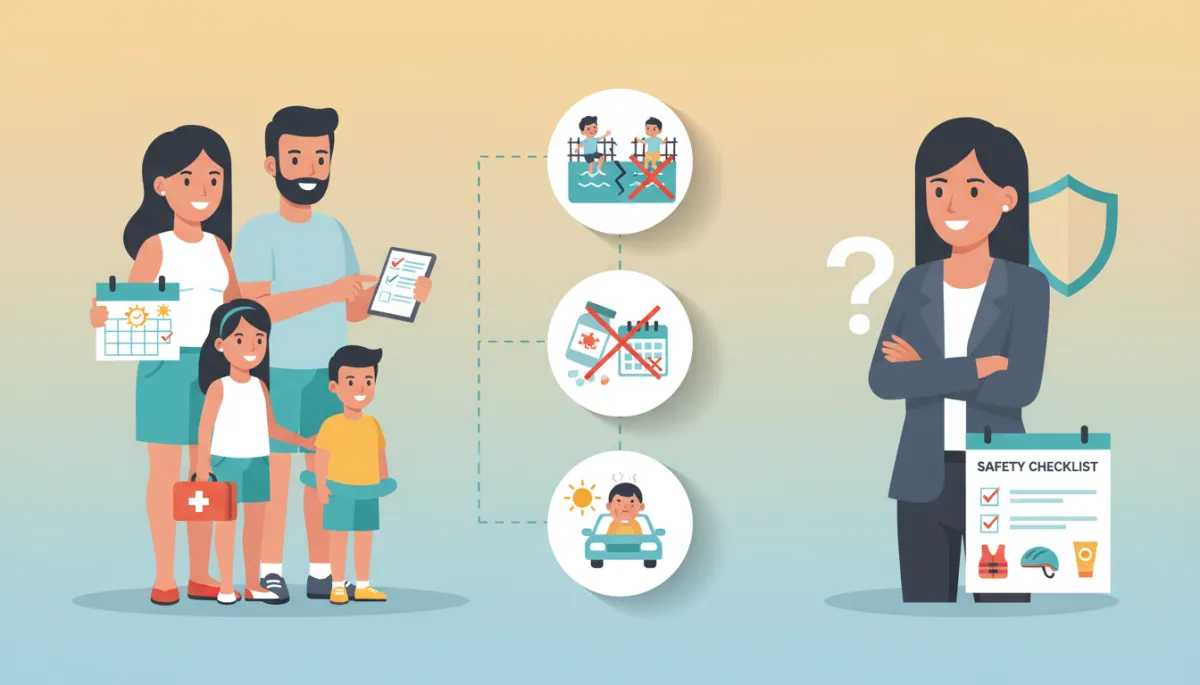
Avoid DCF Issues: 3 Summer Mistakes to Watch
Connecticut Families, Child Safety, DCF Awareness
3 Summer Mistakes That Can Lead to DCF Concerns (And How to Avoid Them)
Long summer days in Connecticut are supposed to be about cookouts, beach trips, and kids running through sprinklers—not worrying about the Department of Children and Families (DCF). Yet every year, well-meaning parents find themselves facing DCF questions after a momentary oversight or misunderstood situation. Attorney Nicole Christie works with families who are blindsided by these investigations and knows that education and preparation can prevent many of these stressful experiences.
Why Summer Requires Extra Awareness for Connecticut Parents
During the school year, children’s days are structured: bus pick-ups, classroom time, after-school programs, and early bedtimes. In summer, that structure often disappears. Kids stay up later, bounce between relatives’ houses, camps, and friends’ pools, and spend more time outside—sometimes with less direct supervision. Most parents are doing their best, but looser routines can create gaps that raise safety questions if something goes wrong.
DCF’s role is to investigate concerns about child safety. That doesn’t mean every call leads to a finding of neglect—but even an unfounded investigation is stressful, time-consuming, and emotional. Understanding common summer mistakes can help you make thoughtful choices, protect your children, and reduce the chances of misunderstandings escalating into DCF involvement.
Mistake #1: Letting Summer Routines Completely Disappear
It’s natural to relax bedtimes and screen rules when school is out. But when routines vanish altogether, kids can become overtired, unsupervised, and more likely to get hurt—or to be seen out late without an adult. Teachers, neighbors, camp staff, and medical providers may worry if a child appears consistently exhausted, hungry, or unsupervised, and in some situations they are mandated reporters who must contact DCF if they suspect neglect.
A lack of structure can also mean no one is clearly responsible for the child at certain times. For example, a child wandering an apartment complex at midnight, or repeatedly showing up at a community pool alone, can trigger safety concerns even if the parent simply lost track of time or assumed another adult was watching them.
How to Build a Summer Routine That Still Feels Relaxed
Set basic “anchor points.” Keep consistent times for waking up, meals, and bedtime—even if they’re later than during the school year.
Plan daily supervision. For each part of the day, know which adult is responsible for which child, especially if relatives or neighbors help with care.
Limit late-night outings. Occasional special events are fine, but frequent, unsupervised late nights can look like a lack of care.
📌 Key Takeaway: Summer can be flexible without being chaotic. A simple routine shows that your child’s needs—sleep, meals, supervision—are being consistently met.
Mistake #2: Assuming an Older Sibling Can Always Supervise
Many Connecticut families rely on older siblings to help with younger children, especially when parents are working or juggling multiple jobs. While sibling help can be positive, it’s important to understand that DCF looks at age, maturity, and the level of responsibility placed on that older child.
A 15-year-old keeping an eye on a 10-year-old for an hour in the afternoon is very different from a 12-year-old being left all day with multiple toddlers, expected to cook, bathe, and manage emergencies. If something goes wrong—a fall, a near-drowning, an injury with fireworks—authorities may question whether the older sibling was placed in an unsafe caregiving role beyond their abilities.
Safer Ways to Use Sibling Help
Match responsibilities to age. Pre-teens can help entertain or play with younger siblings, but complex caregiving (cooking on the stove, bathing, water supervision) should remain an adult’s job.
Use short time frames. If an older sibling is watching a younger child, keep it brief and reachable—make sure the supervising adult is close by and available by phone.
Be clear about “no-go” activities. Tell kids what they are not allowed to do when an adult is not present: swimming, cooking, using fireworks, riding ATVs, or leaving the property.

Clear rules and realistic expectations help older siblings support—not replace—adult supervision.
Mistake #3: Letting Medical Appointments and Safety Checks Slide
Summer schedules make it easy to forget well-child visits, mental health appointments, or follow-ups after an injury. But repeatedly missing or cancelling medical appointments—especially for ongoing conditions—can raise questions about whether a child’s health needs are being met. Medical providers are also mandated reporters in Connecticut and may call DCF if they are seriously concerned about missed care.
This doesn’t mean one missed appointment will automatically trigger a report. Life happens: transportation falls through, a parent’s work shift changes, or a child gets sick. The concern usually arises when there is a pattern of missed care with no clear plan to catch up.
Staying on Top of Health Needs in Summer
Use a shared calendar. Write down physicals, therapy sessions, and dental appointments where the whole household can see them.
Call if you can’t make it. Let providers know about transportation or childcare issues; ask about rescheduling, telehealth, or community resources.
Keep medications and emergency plans up to date. Double-check inhalers, EpiPens, seizure plans, and allergy instructions before camps, sleepovers, or travel.
💡 Pro Tip: If you are struggling to get a child to appointments due to work, transportation, or housing issues, document your efforts and ask providers about supports. Showing that you are trying to meet your child’s needs can matter if questions ever arise.
Hidden Summer Activity Risks That Can Lead to Questions
Many DCF concerns start with an accident or injury. Not every accident means neglect—but when an injury happens in a situation that appears obviously risky, investigators may look closely at supervision and safety planning. Some common summer activities deserve extra attention:
Swimming and pools: Young children should have constant, eyes-on adult supervision near any water—backyard pools, lakes, beaches, even large kiddie pools. Life jackets are critical on boats and for weaker swimmers in open water.
ATV riding and dirt bikes: Children should only ride age-appropriate vehicles with helmets and safety gear, and never on roads. Allowing a child to drive an adult-sized ATV or ride unsupervised can be seen as unreasonably dangerous.
Trampolines: Limit the number of kids jumping at once, use safety nets and padding, and avoid flips or stunts without training. Serious injuries can lead to questions about whether basic precautions were taken.
Fireworks: Even “small” fireworks like sparklers can cause burns. Follow Connecticut laws, keep fireworks away from young children, and supervise older kids closely if fireworks are used at all.
Boating: Life jackets for every child, no exceptions. An adult should be sober, experienced, and focused on operating the boat—not distracted by phones or alcohol.
Leaving children in vehicles: In summer heat, a car can become deadly in minutes. Leaving a child alone in a vehicle, even “just for a minute,” can trigger immediate law enforcement and DCF involvement in Connecticut.
Heat-related dangers: Dehydration, heat exhaustion, and sunburn can escalate quickly. Younger children and kids with medical conditions are especially vulnerable during heat waves.
Reasonable Precautions: What DCF Often Looks For
DCF does not expect perfection. They understand that children get bumps and bruises and that accidents happen in even the most careful families. What often matters is whether a parent took reasonable, common-sense steps to protect the child based on their age and the situation.
Having appropriate supervision for the child’s age and activity
Following obvious safety rules (seatbelts, life jackets, helmets, sun protection)
Responding promptly and appropriately if a child is hurt or becomes sick
Being honest and cooperative with medical providers, schools, and camps about injuries or concerns
📌 Key Takeaway: The goal is not to eliminate all risk—that’s impossible. The goal is to show that you are thinking ahead, taking reasonable precautions, and putting your child’s safety first.
A Practical Connecticut Summer Safety Checklist
Use this simple checklist as a starting point for your family. You can adapt it based on your child’s age, medical needs, and activities:
Do we have a basic daily routine for meals, sleep, and supervision?
For each part of the day, do we know which adult is responsible for each child?
Are medical, dental, and mental health appointments scheduled and written down?
Are medications, inhalers, and emergency plans current and shared with caregivers and camps?
Do we have clear rules about swimming, ATVs, trampolines, fireworks, and boating—and do kids understand them?
Are life jackets and helmets in good condition and used every time they’re needed?
Do all adults in the household know that children are never to be left alone in a vehicle, even briefly?
On very hot days, are we planning for shade, water, and cooling breaks?
Making Informed Decisions—Not Parenting Out of Fear
No parent can predict every situation. The goal isn’t to be perfect or to live in fear of DCF. Instead, it’s about making informed, thoughtful decisions that balance fun and freedom with safety and supervision. When you understand how certain summertime situations can look from the outside, you’re better prepared to explain your choices, adjust where needed, and protect your family’s peace of mind.
Attorney Nicole Christie has seen how quickly a minor incident can turn into a stressful DCF investigation, especially when families don’t know their rights or how the process works. She also knows that most parents love their children deeply and are doing their best under real-world pressures—work schedules, transportation issues, shared custody, and more.
When Questions Arise: Learn About DCF Investigation Support
Even with the best preparation, you might still face a call from DCF—after a neighbor’s concern, a school report, or an emergency room visit. If that happens, you don’t have to navigate it alone. Understanding the process, your responsibilities, and your rights can reduce anxiety and help you respond calmly and effectively.
Attorney Nicole Christie supports Connecticut parents by explaining what to expect, helping them communicate with investigators, and making sure their side of the story is heard. Her goal is not to judge your parenting, but to help you protect your children and your family’s future during a difficult time.
If you have questions about a current or potential DCF investigation—or simply want to understand your options before a problem arises—consider reaching out to learn more about DCF investigation support. A brief conversation can give you clarity, peace of mind, and practical next steps, so you can focus on what matters most: keeping your kids safe and enjoying your Connecticut summer together.
