
Back-to-School Checklist for Connecticut Parents
Back-to-School, Connecticut Parents, Custody, DCF Defense
A Back-to-School Checklist for Connecticut Parents: Legal, Safety, and Communication Steps to Protect Your Child
As a former Connecticut Department of Children and Families (DCF) investigator and now a DCF defense attorney, I have seen how the back-to-school season can either support a child’s stability—or unintentionally create confusion, conflict, and even DCF involvement. A thoughtful back-to-school checklist for Connecticut parents goes far beyond buying notebooks and backpacks. It also means reviewing custody documents, updating emergency contacts, checking medical and educational records, and building a clear communication plan, especially in co-parenting situations. When these pieces are in place, children feel more secure, and parents can focus on helping them learn and grow.
Why Back-to-School Planning Matters So Much in Connecticut
In my work with families across Connecticut, I have learned that many school-year problems start with small misunderstandings: a school doesn’t have the latest custody order, emergency contacts are outdated, or a medical condition is not clearly documented. These issues can snowball into missed pickups, disputes at the school office, or even calls to DCF when staff are unsure who is allowed to make decisions for a child. The good news is that most of these problems are preventable with careful, child-centered planning before the first day of school.
This back-to-school checklist for Connecticut parents is designed to be educational, practical, and reassuring. It will walk you step-by-step through the key legal and safety items to review so your child’s school team understands your family’s structure, your child’s needs, and how to reach you in an emergency. The goal is simple: reduce stress and conflict for adults so children can feel safe, loved, and ready to learn.
1. Review and Organize Custody Agreements Before School Starts
One of the most important steps on any back-to-school checklist for Connecticut parents is reviewing custody and visitation orders. Schools rely on clear documentation to know who has legal rights to pick up a child, receive information, and make educational decisions. If your paperwork is outdated or unclear, school staff may feel stuck in the middle of adult disagreements, and that tension can spill over onto your child.
Locate your most recent court orders (custody, visitation, restraining orders, and any DCF-related documents).
Check for specific language about legal custody (decision-making), physical custody (where the child lives), and school-related decision-making.
Confirm whether both parents have access to school records, parent portals, and teacher communication unless a court order says otherwise.
If you have a new or modified order, plan to provide a copy to the school office before the first day.
💡 Family-Focused Tip: When possible, both parents should understand and agree on how the custody order will work with the school’s policies. This helps your child feel that the adults in their life are on the same team.
2. Update Emergency Contacts and Authorized Pickups
Every year, schools ask families to review contact forms—but in busy households, it is easy to check a box and move on. As a DCF defense attorney, I have seen how outdated information can cause serious confusion if a child becomes sick or there is an unexpected early dismissal. A thoughtful back-to-school checklist for Connecticut parents should always include a careful review of who the school can call and who is allowed to pick up your child.
When updating your child’s school records, consider the following:
Confirm that both parents’ phone numbers and emails are current, including work numbers if you can be reached there.
Review the list of emergency contacts (grandparents, relatives, close family friends) and remove anyone who is no longer involved or available.
Clearly identify who is authorized to pick up your child and whether there are any individuals who may not pick up your child due to safety or court orders.
If someone is restricted by a court order, make sure the school has a copy of the order and knows what to do if that person appears.
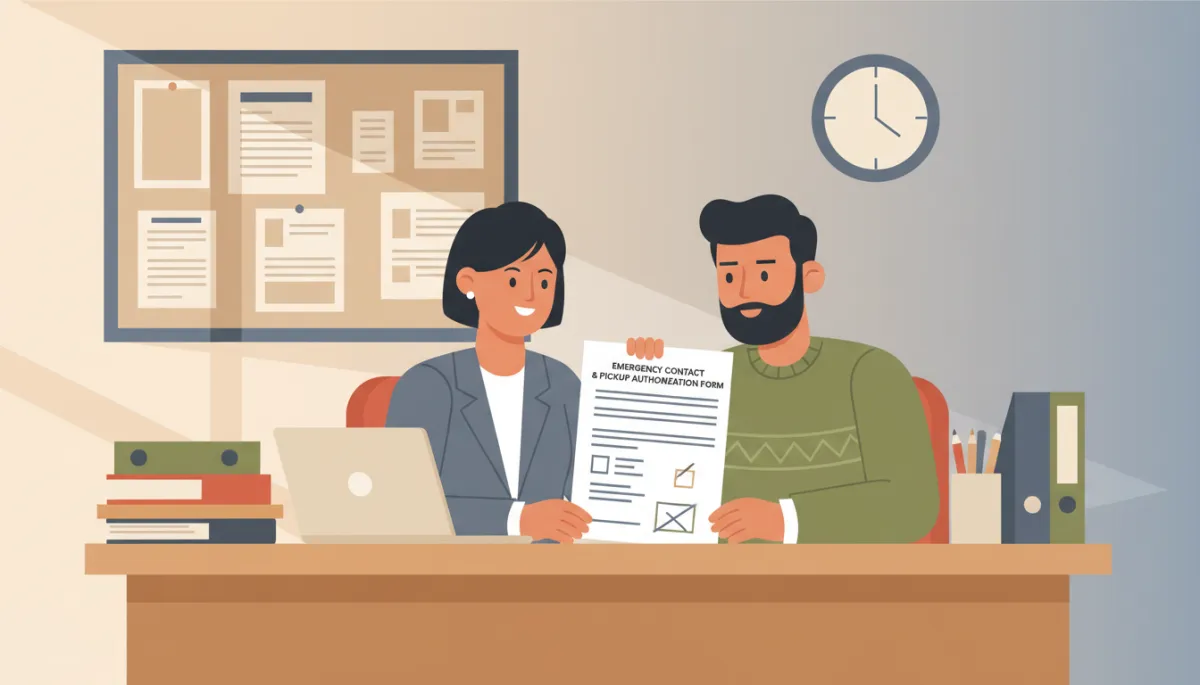
Clear emergency contacts and pickup authorizations help schools respond quickly while respecting family boundaries.
3. Verify Medical Information and Care Plans
Another essential part of a back-to-school checklist for Connecticut parents is making sure your child’s medical information is accurate and up to date. From allergies to mental health needs, schools can only protect your child if they know what your child needs and how to respond in an emergency. This is especially important for children with chronic conditions, new diagnoses, or recent medication changes.
Confirm that the school nurse has the most recent health forms, including immunization records and any required state forms for Connecticut schools.
Update information about allergies, asthma, seizures, diabetes, mental health diagnoses, or other conditions that may affect your child during the school day or on the bus.
Provide current medication lists, including dosage, timing, and who is authorized to administer medication at school or during activities.
If your child has an Individualized Health Care Plan or 504 Plan, request a meeting before or shortly after school starts to review and confirm it is still appropriate.
💡 Child-Centered Reminder: When children know that the adults at school understand their health needs, they often feel safer and more confident participating in class, sports, and activities.
4. Check Educational Documents and Support Plans
Academic success is a major reason we focus on a strong back-to-school checklist for Connecticut parents, but educational documents are about more than grades. They also include special education plans, evaluations, and supports that help your child thrive in the classroom. If these documents are not reviewed and shared, important services can be delayed or missed.
Gather your child’s most recent report cards, progress reports, and standardized test results to understand where they may need extra support this year.
If your child has an IEP (Individualized Education Program) or 504 Plan, read through it carefully and note any questions or concerns for your child’s team.
Confirm that both co-parents have access to online portals where grades, attendance, and teacher messages are posted, unless a court order limits access.
Consider scheduling a start-of-year meeting (in person or virtual) with your child’s teacher, counselor, or special education team to share strengths, challenges, and goals.
When parents are organized and proactive about educational documents, it sends a powerful message to the school: this child is supported, and the adults in their life are paying attention. That collaboration is one of the best protective factors against school-based misunderstandings and, in some cases, unnecessary referrals to outside agencies.
5. Create a Clear Communication Plan—Especially for Co-Parents
Even in the most cooperative families, the school year brings busy schedules, early dismissals, and last-minute changes. A child-centered back-to-school checklist for Connecticut parents should always include a communication plan that answers three questions: How will we share information? How will we handle changes? How will we keep our child out of adult conflict?
Consider agreeing on the following before school starts:
Primary contact method: Will you use text, email, a co-parenting app, or another system to share school information and schedule changes?
School communications: Can both parents be copied on emails from the school and have access to the online portal?
Transportation and activities: Who is responsible for drop-off, pickup, and after-school activities on which days, and how will you handle unexpected changes?
Conflict boundaries: Agree that school staff will not be pulled into adult disputes and that disagreements will be handled away from your child and outside of school grounds.
💡 Family Focus and Child Centered™ Principle: Children feel safest when they see that the important adults in their life can communicate calmly about their needs, even if those adults no longer live together.
Quick Back-to-School Checklist for Connecticut Parents
Use this condensed back-to-school checklist for Connecticut parents as a practical reference:
Review and copy your latest custody and court orders for the school.
Update emergency contacts and authorized pickup lists.
Verify medical information, medications, and care plans with the school nurse.
Review IEPs, 504 Plans, and academic records; schedule meetings if needed.
Establish a clear communication plan with co-parents and caregivers.
Frequently Asked Questions from Connecticut Parents
Do schools need a copy of my custody order?
While not every school will ask for it automatically, it is strongly recommended that you provide a copy of your current custody order to the main office, especially if there are specific instructions about decision-making, access to records, or who may pick up your child. In my experience as a DCF defense attorney, unclear or missing documentation is a common source of conflict. Sharing the order helps the school follow the law and your family’s boundaries, and it protects your child from being caught in the middle of adult disagreements.
Who can pick up my child from school?
In general, the school will rely on the authorized pickup list and any court orders you have provided. If both parents have legal custody and there are no restrictions, both may usually pick up the child. However, if a court order limits one parent’s access or prohibits another individual from contact, the school must be informed and given a copy of that order. Make sure office staff know exactly who is allowed to pick up your child, and update this information immediately if circumstances change.
What if my child’s medical information changes during the school year?
If your child receives a new diagnosis, starts or stops a medication, or experiences a significant health change, contact the school nurse right away. Ask what updated forms are needed and whether your child’s health plan, 504 Plan, or IEP should be adjusted. It is also helpful to notify your child’s teacher, especially if the change might affect concentration, behavior, or energy. Keeping the school informed is a protective step that can prevent misunderstandings and ensure your child gets the support they need.
How can co-parents prepare for the school year together?
Co-parents can use this back-to-school checklist for Connecticut parents as a shared roadmap. Schedule a brief, focused conversation—by phone, video, or messaging—about:
Who will provide custody orders and legal documents to the school.
How you will share school information, such as report cards, emails, and schedules.
Which parent handles which days for drop-off, pickup, and activities.
How you will respond if there is an emergency or early dismissal.
Approaching these conversations with a Family Focus and Child Centered™ mindset—asking “What will help our child feel safest and most supported?”—can reduce conflict and build trust, even when parents do not agree on everything.
Planning Ahead Protects Your Child and Lowers Stress
Thoughtful preparation does more than keep paperwork in order. It reassures your child that the adults in their life are paying attention, making plans, and working together to keep them safe. From my perspective as a former DCF investigator, families who plan ahead—reviewing custody agreements, updating emergency contacts, verifying medical information, checking educational documents, and creating a communication plan—are better positioned to avoid unnecessary crises and misunderstandings with schools or agencies.
As you work through this back-to-school checklist for Connecticut parents, remember that every step you take is an investment in your child’s sense of security. When children see calm, organized adults handling the details, they are freer to focus on friends, learning, and the excitement of a new school year. If you have complex custody issues, a history with DCF, or questions about how your legal situation might affect school communication, consider consulting with a knowledgeable Connecticut attorney who understands both DCF and education-related concerns. You do not have to navigate this alone—and your child deserves a school year built on clarity, safety, and support.
