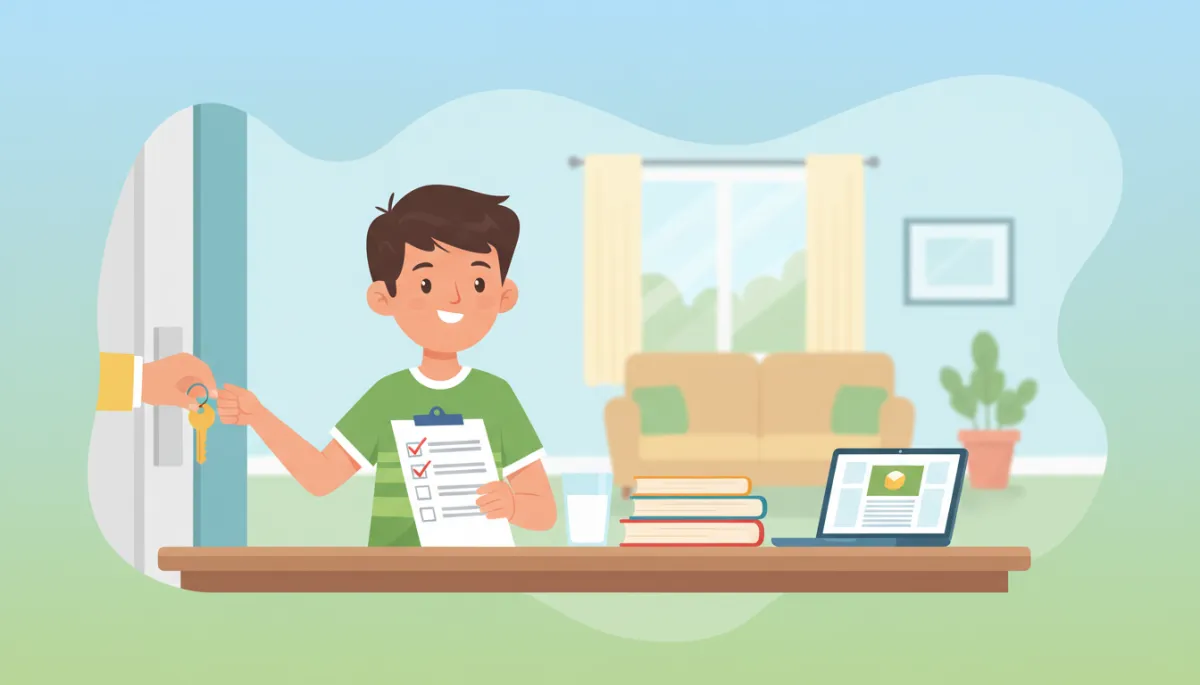
Evaluate Child Readiness for Home Alone in CT
Connecticut parents, child safety, child supervision, DCF guidance
How Parents Can Evaluate Readiness for Staying Home Alone in Connecticut
From Attorney Nicole Christie, former Connecticut DCF investigator and current DCF defense lawyer, sharing a Family Focus and Child Centered™ approach to helping Connecticut parents make confident, informed decisions about children staying home alone.
As a former investigator with the Connecticut Department of Children and Families (DCF) and now a DCF lawyer in Connecticut, I am asked one question over and over by caring parents: “What age can I legally leave my child home alone?”
The honest answer surprises many families: in staying home alone Connecticut situations, there is no specific legal age written into Connecticut law. Instead, the focus is on child safety, your child’s maturity, and the specific circumstances. That can feel confusing, but it also gives you, as a parent, room to use your judgment while staying within the law—when you are informed and prepared.
Why There’s No “Magic Age” in Connecticut
Connecticut law does not say, for example, “children under 12 may not be left alone.” Instead, DCF and the courts look at the total picture when they evaluate a child supervision concern. During my years as a DCF investigator, I saw that two children of the same age could have very different levels of readiness. One 11-year-old might calmly handle a small kitchen emergency, while another might panic if the power flickers during a storm. Age is only one piece of the puzzle—never the whole story.
That is why how parents can evaluate readiness for staying home alone is so important. The law expects you to think about:
Your child’s age and maturity, together, not age alone
The length of time they will be alone and time of day
The environment—apartment vs. single-family home, neighborhood safety, access to trusted adults nearby
Your child’s ability to respond to emergencies and follow rules
📌 Key Takeaway: There is no “safe” age that fits every child. Connecticut parents are expected to use thoughtful, informed judgment focused on each individual child.
Questions Connecticut Parents Should Ask Before Leaving a Child Home Alone
When I counsel families, I encourage them to slow down and ask themselves a few practical, child-centered questions. These questions help you evaluate readiness in a structured way and show that you are taking child safety seriously:
How does my child handle responsibility now? Do they complete homework, chores, or routines with minimal reminders?
How does my child react under stress? When something unexpected happens, do they usually stay calm, seek help, or shut down?
Can my child follow rules when I am not watching? For example, can they resist opening the door to strangers or using the stove without permission?
Does my child feel comfortable being alone? Some children feel anxious when alone even for short periods. Their feelings matter.
How far away will I be, and how quickly can I return? Being five minutes away is different than being 45 minutes away in heavy traffic.
💡 Pro Tip: Consider writing your answers down. If DCF ever asks about your child supervision decisions, a written plan and notes can show that you acted thoughtfully and responsibly.
Signs Your Child May Be Ready to Stay Home Alone Briefly
Every child is unique, but there are common signs of readiness that I encourage Connecticut parents to look for when considering staying home alone Connecticut decisions:
Your child can communicate clearly with you, in person and by phone or text, and can explain what is happening around them.
They show good judgment in everyday situations—choosing safe options without you stepping in every time.
They can stay on task for a reasonable period, such as doing homework or reading, without constant reminders.
They understand and follow family rules about electronics, visitors, and food, even when you are not right there.
They can ask for help when they need it and know which trusted adults they can reach out to.
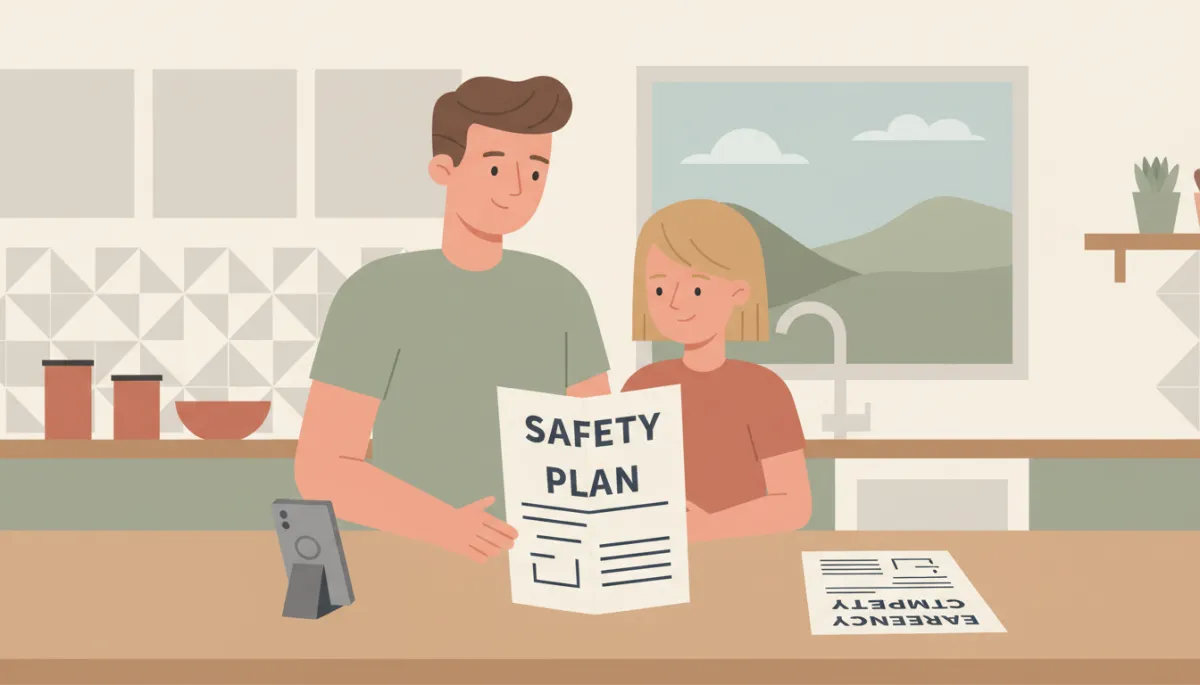
Reviewing expectations and safety steps together builds confidence for both parent and child.
Essential Safety Skills Before a Child Stays Home Alone
Before you leave a child alone, even for a short time, it is important to make sure they have basic child safety skills. These skills help protect your child and demonstrate to DCF, if questions ever arise, that you took reasonable steps to prepare them:
Knowing their full name, address, and your phone number by heart
Being able to dial 911 and calmly describe an emergency to the operator
Understanding what is and is not an emergency (for example, a small spill vs. a fire or serious injury)
Knowing how to lock doors and windows and what to do if someone knocks or rings the doorbell
Understanding your rules about cooking, electronics, and visitors when they are alone
💡 Pro Tip: Practice calling you and a trusted neighbor as if there were a minor emergency. Role-playing gives your child confidence and shows you where they may need more support.
Creating a Simple, Child-Centered Home-Alone Plan
A written home-alone plan is one of the best tools Connecticut parents can use. It supports your child, keeps everyone on the same page, and shows that you approached child supervision with care. Your plan does not need to be complicated. It can simply include:
When your child may be left alone (for example, “no more than 45 minutes, during daylight, while parent is at the nearby grocery store”)
Where they are allowed to be in the home and yard during that time
Clear yes/no rules (for example, “no stove or oven use,” “no opening the door to anyone,” “no friends over”)
A visible list of emergency numbers (911, your cell, other caregivers, a trusted neighbor, pediatrician)
A short, written step-by-step guide for common situations: power goes out, someone knocks, they feel scared or sick
At The Christie Law Firm, we encourage families to use tools like a home-alone checklist to walk through these decisions. A checklist helps you slow down, think through safety, and include your child in the planning process in an age-appropriate way.
Practicing Short Periods Alone: Start Small and Build Confidence
Once you feel your child may be ready, I recommend a gradual, supported approach. Instead of jumping straight into long stretches alone, try:
Practice while you are nearby. Step outside to the yard or sit in the car in the driveway for 5–10 minutes while your child “pretends” you are gone. See how they handle it and debrief afterward.
Short trips close to home. Run a quick errand five minutes away, such as picking up a prescription. Keep your phone on and encourage your child to call if they feel unsure.
Check-in calls or texts. Agree on a simple check-in schedule (“Text me when I leave, when I arrive, and when I am on my way home”).
This step-by-step approach respects your child’s growing independence while keeping your Family Focus and Child Centered™ values at the heart of every decision. It also shows DCF, if questions arise, that you did not rush the process but instead carefully built up your child’s skills and comfort level.
The Importance of Preparation and Open Communication
Preparation and communication are the heart of how parents can evaluate readiness for staying home alone. Children do best when they know what to expect, what is expected of them, and that they can always come to you with questions or concerns—without fear of getting in trouble for being honest.
Talk with your child about:
How they feel about being alone and what would help them feel safer or more confident
What you will do if a plan does not go well (for example, adjusting the time or waiting a few more months before trying again)
How they can let you know if they ever feel unsafe, worried, or uncomfortable while home alone
📌 Key Takeaway: When parents and children talk openly, home-alone time can become a safe opportunity for growth, not a source of fear.
When DCF Gets Involved—and How a DCF Lawyer in Connecticut Can Help
Sometimes, even very caring Connecticut parents find themselves facing a Connecticut Department of Children and Families investigation related to child supervision. A neighbor may misunderstand a situation, or a minor incident may be reported in a way that sounds more serious than it was. If that happens, it does not automatically mean you are a bad parent or that your child is unsafe. It does mean you should take the situation seriously and seek guidance.
As a former DCF investigator and now a DCF lawyer Connecticut families turn to, I help parents explain their decisions, share their safety plans, and show the steps they took to protect their children. Having documentation—like your written home-alone plan and checklist—can be very helpful in these conversations.
Next Steps: Tools and Support for Connecticut Families
You do not have to figure all of this out alone. At The Christie Law Firm, our goal is to support you with practical, clear resources so you can make confident decisions that reflect your family’s values and keep your children safe. To continue learning and preparing, you can:
Download our home-alone checklist to walk step-by-step through readiness, safety skills, and planning.
Read our summer safety resources to help you navigate changing schedules, camp, and more time at home.
Explore the Fight DCF Course if you are facing a DCF investigation and want to understand your rights and options in plain English.
Contact The Christie Law Firm with questions about a Connecticut DCF investigation or concerns about how your home-alone decisions may be viewed.
Move It Monday: One Action Step You Can Take This Week
For this week’s Move It Monday, choose one simple, supportive step to move your family forward:
Action Step: Sit down with your child and create a short, written “When I’m Home Alone” plan together. Include three family rules, two trusted adults they can call, and one practice scenario (such as what to do if someone knocks on the door). Post it in a visible place, like the refrigerator. This small step builds your child’s confidence, strengthens your communication, and lays a strong foundation for safe, supported independence.
