
Holiday Child Safety Tips for Connecticut Parents
Child Supervision Connecticut, Holiday Safety Tips, Connecticut DCF Guidelines
Holiday Supervision and Child Safety: What Connecticut Parents Should Know
The holiday season in Connecticut can be joyful, busy, and sometimes overwhelming. Between school breaks, family gatherings, shopping, and changing work schedules, even the most careful parents may find it harder to keep track of who is watching the children and when. Thoughtful planning around holiday child supervision can help keep kids safe, reduce stress, and prevent misunderstandings that might lead to contact with the Connecticut Department of Children and Families (DCF).
Why Child Supervision Matters During the Holidays
During the school year, many families rely on predictable routines: school hours, after‑school programs, daycare, or regular childcare providers. The holidays disrupt these patterns. Children may be home for long stretches, bedtime can shift, and relatives or friends may step in to help. All of these changes can make supervision less clear, even in loving, attentive families.
At large family gatherings, adults often assume “someone else” is watching the kids. Meanwhile, children may have access to unfamiliar homes, holiday decorations, fireplaces, medications, alcohol, or outdoor areas they are not used to navigating alone. When adults are distracted by cooking, hosting, or travel logistics, it becomes easier for safety issues to go unnoticed—especially with younger children or children with special needs who require closer supervision.
Appropriate supervision is not the same for every child. It depends on the child’s age, maturity, development, and health, as well as the environment and length of time they will be alone or with a caregiver. A responsible 15‑year‑old may safely stay home for a few hours, while a younger child or a child who struggles with impulse control or anxiety may need more direct oversight. Recognizing these differences is an important part of keeping children safe during the holidays and throughout the year.
What Does Appropriate Child Supervision Mean in Connecticut?
No Universal Minimum Age to Stay Home Alone
Many parents search for a clear rule about when it is legal to leave a child home alone in Connecticut. Under current law, there is no specific minimum age that automatically makes it legal or illegal to leave a child unsupervised at home. Instead, parents are expected to use reasonable judgment based on the child’s readiness and the circumstances (uwc.211ct.org).
Laws About Children Left Unattended in Public Places or Vehicles
Connecticut General Statutes § 53‑21a makes it a crime to knowingly leave a child under age 12 unsupervised in a public place or motor vehicle in a way that creates a substantial risk to the child’s health or safety. Depending on the situation, charges can range from a Class A misdemeanor to more serious felonies—for example, if the child is left at night or in a place where alcohol is served (cga.ct.gov).
The law also recognizes that parents sometimes make thoughtful decisions that others may not fully understand. An “affirmative defense” allows a parent to argue that they used reasonable judgment considering the child’s age, maturity, and abilities when deciding to leave the child unsupervised (cga.ct.gov). This does not guarantee an outcome in any case, but it shows that Connecticut law values context, not just age alone.
Guidance, Not Strict Rules, on Home Supervision
The Connecticut Department of Children and Families and child safety experts generally recommend that children under about 11 or 12 are not left alone for long periods, and that supervising younger siblings is usually more appropriate for teens 15 and older (portal.ct.gov). These are guidelines, not legal requirements, but they can help parents think through decisions, especially during busy holiday schedules.
When DCF or law enforcement reviews a supervision concern, they typically look at the whole picture: the child’s age and maturity, the safety of the home or setting, how long the child was alone, whether the child knew what to do in an emergency, and whether any harm or serious risk was present. Child supervision in Connecticut is evaluated on a case‑by‑case basis, not by age alone.
Common Holiday Supervision Mistakes Parents Should Avoid
Assuming another adult is watching the children. At a crowded holiday party, each adult may think “the kids are with Aunt Maria,” while Aunt Maria believes the parents are supervising. Designating one responsible adult at a time can prevent this mix‑up.
Leaving young children with unprepared caregivers. A teen cousin may be great with kids but may not know how to handle medication, bedtime routines, or emergencies. Make sure any caregiver understands your expectations and feels comfortable with the responsibility.
Allowing unsupervised play in hazardous areas. Basements, garages, icy driveways, unfenced yards, or homes with pools, pets, or firearms all call for closer supervision, especially when children are unfamiliar with the environment.
Overlooking risks during shopping and travel. Long lines, parking lots, busy malls, and highway rest stops can be confusing and crowded. Establish simple rules like “hold hands in the parking lot” or “stay where you can see me.”
Not setting clear expectations with babysitters or relatives. Even trusted family members may have different ideas about screen time, visitors, or discipline. A quick conversation about your rules and emergency contacts goes a long way.
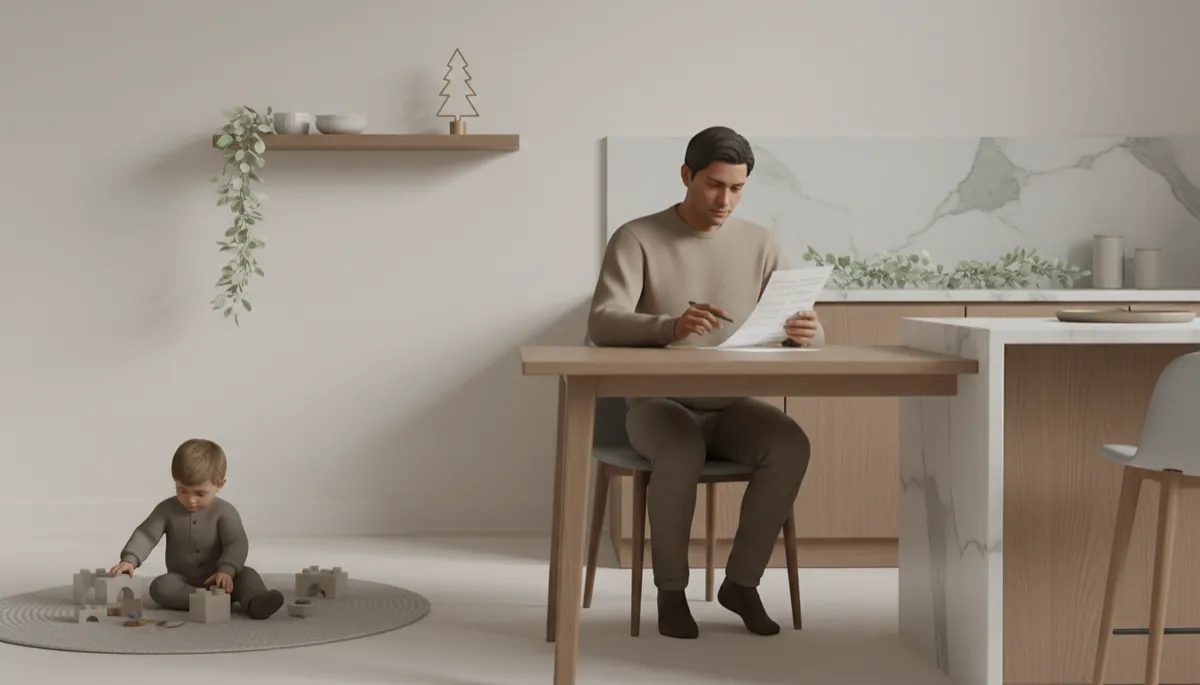
Clear supervision plans and checklists help prevent confusion during busy holiday gatherings.
Can Holiday Supervision Concerns Lead to a DCF Investigation?
Sometimes, a neighbor, teacher, medical provider, or another mandated reporter may become worried about a child’s safety and contact the DCF Careline. During the holidays, calls may involve children who were left alone longer than expected, unsupervised children outside in cold weather, or young children left in vehicles while adults shop. Municipal camp staff and other youth workers are also mandated reporters under recent Connecticut law, and they must report suspected abuse or neglect when they see it (portal.ct.gov).
It is important to understand the difference between:
A concern about child safety;
A DCF report or intake; and
A formal finding of neglect.
Not every concern results in a full DCF investigation, and not every investigation leads to a neglect finding. DCF considers the nature of the incident, the level of risk, whether the child was actually harmed, and whether there is a pattern of unsafe supervision. A single mistake—such as losing sight of a child for a moment in a store—does not automatically mean neglect. However, repeated or serious lapses in supervision can raise more significant concerns under Connecticut DCF guidelines and child protection laws.
What if Your Family Has an Active DCF Safety Plan?
Some families in Connecticut may already be working with DCF under a safety plan. These plans often outline who may supervise the children, whether certain caregivers must be present, and what conditions must be met for visits or overnights. During the holidays, it is common to want to travel, host relatives, or allow the children to stay overnight with extended family. These good‑faith plans can accidentally conflict with an existing safety agreement if parents are not careful.
Before changing caregivers, arranging overnight visits, or traveling out of state, it is wise to review your safety plan in writing. If you are unsure whether your holiday plans are allowed, ask your DCF worker or attorney for clarification. A safety plan is different from a court order, but failing to follow its terms can still create problems or delay your case progress. Taking the time to confirm expectations ahead of the holidays can protect both your children and your legal interests.
Practical Holiday Supervision Tips for Connecticut Parents
Assign a “designated adult” at gatherings. Rotate who is responsible for watching the children, and make sure that person understands they should stay sober, attentive, and reachable.
Choose caregivers carefully. Consider experience, maturity, and comfort handling your child’s medical, emotional, or behavioral needs. Share emergency numbers, allergy information, and any special instructions.
Set clear rules for outings and travel. Talk with children about staying together in stores, parking lots, and airports. For teens, discuss curfews, transportation, and expectations around friends, parties, and substance use.
Secure medications, alcohol, and hazardous items. Visiting relatives may not be used to childproofing. Ask politely if medications, cleaning products, and firearms can be locked away or kept out of reach while you are there.
Prepare emergency contacts and backup childcare. Keep a list of trusted neighbors, relatives, or local childcare options in case weather, illness, or work changes your plans at the last minute.
Maintain age‑appropriate supervision everywhere. Even when you are visiting close family, your children still need the same level of supervision they would at home. Do not assume another household is automatically safer or more structured.
How Parents Can Protect Their Families and Prevent Misunderstandings
Most Connecticut parents work hard to keep their children safe, and occasional challenges are a normal part of raising kids. You can reduce the risk of misunderstandings—both within your family and with outside agencies—by communicating clearly and planning ahead. Share your expectations with relatives, babysitters, and older siblings. Let them know you are not trying to be strict, but that you are following reasonable Holiday Safety Tips and Connecticut DCF guidelines to protect your children and your parental rights.
If you have questions about Child Supervision Connecticut standards, or if someone has raised concerns about your family, seeking information early can be empowering. Talking with an attorney who understands DCF inadequate supervision Connecticut cases can help you respond calmly, provide context, and demonstrate the steps you take to keep your children safe. Informed decisions and reasonable precautions support your children’s well‑being and help you enjoy the holidays with more peace of mind.
Holiday Supervision FAQ for Connecticut Parents
Is it illegal to leave my 11‑year‑old home alone in Connecticut?
Connecticut does not set a specific legal age for leaving a child home alone. The law focuses on whether your decision was reasonable and whether the child was placed at substantial risk. Many experts recommend waiting until around age 12 and starting with short periods, but this is guidance, not a strict rule.
Could one holiday mistake lead to a DCF child neglect investigation?
A single incident may prompt a report if someone is worried about a child’s safety, but DCF still has to review the facts before deciding whether to investigate and whether neglect occurred. One honest mistake does not automatically mean neglect. However, taking steps to prevent repeated or serious supervision problems is very important.
Do holiday supervision rules change if I already have a DCF case?
If you have an active DCF safety plan or court orders, you should follow those directions closely, including any limits on caregivers, overnights, or travel. Before changing your normal arrangements for the holidays, talk with your DCF worker or attorney to avoid misunderstandings.
Talk with a Connecticut DCF Defense Attorney About Holiday Supervision Concerns
The holidays should be a time for making memories, not worrying about unexpected child safety concerns. If you are facing a DCF investigation involving supervision or childcare concerns, The Christie Law Firm, LLC helps Connecticut parents understand their rights and navigate child protection matters. Contact our office to learn how we may assist you with issues related to Holiday child supervision Connecticut, DCF child neglect investigation, or Connecticut parent rights.
Disclaimer: This article is for educational purposes only and is not legal advice. Reading this page does not create an attorney‑client relationship with The Christie Law Firm, LLC. Every situation is different, and you should consult directly with an attorney about your specific circumstances.
