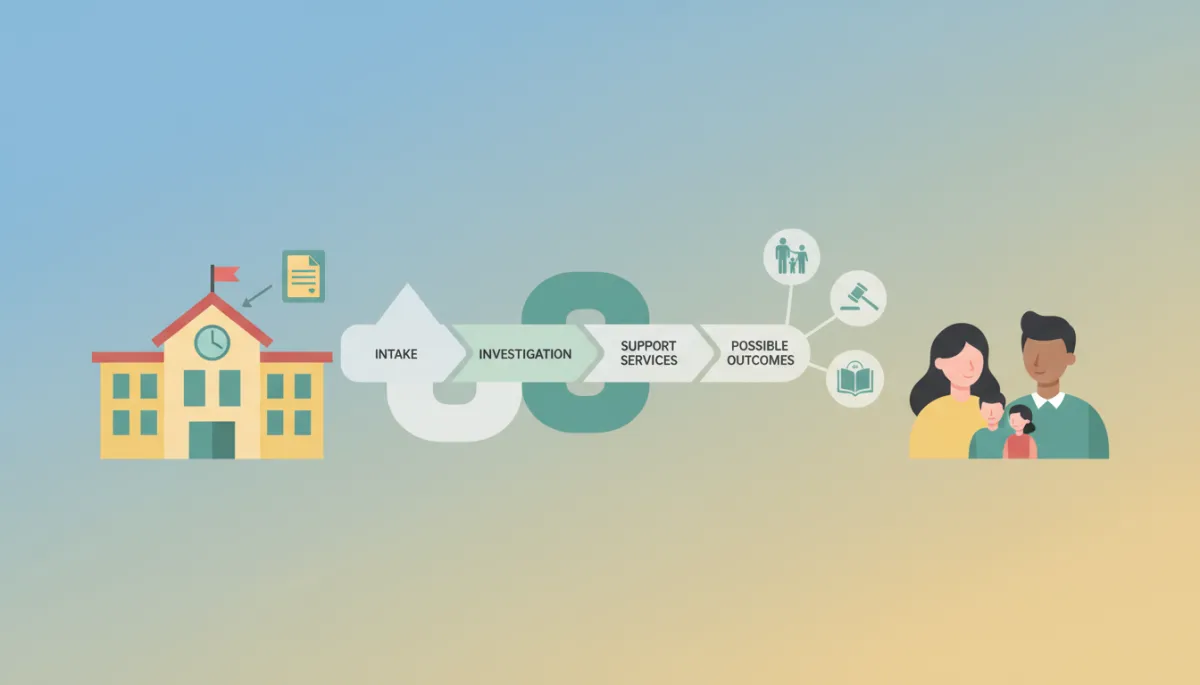
Guide: School Reports to DCF - What Parents Need to Know
Parenting, Child Protective Services, School Reports, DCF Process
Wisdom Wednesday: What Happens After a School Makes a Report to DCF? A Step-by-Step Guide for Parents
When a school calls the Department of Children and Families (DCF), it can feel terrifying, confusing, and deeply personal. Understanding what actually happens after that report is made can replace some of that fear with clarity. This guide walks parents step-by-step through the DCF process, from the moment the school picks up the phone to the possible outcomes at the end of an investigation.
Why Schools Report to DCF in the First Place
Before diving into the steps, it helps to understand why schools report to DCF at all. In most states, teachers, counselors, nurses, and other school professionals are considered “mandated reporters.” That means they are legally required to report suspected abuse or neglect to child protective services (often called DCF, CPS, DCFS, or a similar name depending on the state).
Importantly, they are not required to be certain that abuse or neglect is happening. Their job is to report concerns; DCF’s job is to investigate and determine what is actually going on. Sometimes, what looks worrying at school turns out to have a reasonable explanation at home. Other times, a report uncovers problems that truly need support or intervention. Either way, the report is usually about safety, not punishment for parents who are trying their best under difficult circumstances.
💡 Key Point: A school report to DCF does not automatically mean you are a “bad parent” or that your child will be removed. It means someone had a concern that the agency is now required to review.
Step 1: The School Makes the Report (What They Actually Say)
When a school staff member calls DCF, they typically speak to an intake worker. They provide:
Your child’s name, age, and basic identifying information (address, school, grade)
Your name and contact information, and anyone else living in the home if they know it
Specific concerns: what the child said, what the staff member observed, or patterns they’ve noticed (for example, frequent unexplained injuries, chronic absences, or extreme behavior changes)
Any immediate safety worries (for example, a child saying they are afraid to go home that day)
Depending on your state, the report may be made by phone, online, or both. School reporters usually do not have a choice about whether to report; if they don’t report serious concerns, they can face legal consequences themselves. That is why some schools may report even when they personally believe you are loving and trying your best—they are following the law and erring on the side of caution for the child’s safety.
📌 Remember: The school’s report is one piece of information. It is the starting point of the process, not the final word about your family.
Step 2: DCF Intake – Deciding Whether to Open a Case
After the school makes the report, it goes to DCF’s intake unit. This is where a trained intake worker gathers details and decides what should happen next. They use state laws and internal guidelines to determine whether the situation meets the legal definition of suspected abuse or neglect and whether an investigation is required.
What Intake Workers Consider
The child’s age and vulnerability (younger children and children with disabilities are considered more vulnerable)
The nature of the concern (physical abuse, emotional abuse, neglect, sexual abuse, substance use in the home, exposure to domestic violence, etc.)
Whether there is an immediate safety risk to the child right now
Any prior history your family has with DCF or other agencies (if allowed by law and available in their system)
Based on this, the intake worker will usually choose one of three paths:
Screen Out (No Investigation Opened): The report does not meet the legal threshold for abuse or neglect. DCF may still document the call, but no formal investigation is started. You may never hear from DCF in this situation, even though a report was made.
Screen In for Investigation: The report suggests possible abuse or neglect under state law, so DCF opens a case and assigns it to an investigator or caseworker to look into further.
Assign for Assessment/Family Support: In some states, lower-risk situations may be routed to a less adversarial “assessment” or “family support” track instead of a full investigation, focusing more on offering help than proving wrongdoing.
💡 Good to Know: Not every call to DCF becomes a case. Many are “screened out” at intake if they clearly don’t involve abuse or neglect as defined by law.
Step 3: Initial Contact – When and How DCF Reaches Out to You
If the report is “screened in,” the case is assigned to a DCF worker. One of the first steps is to make contact with your child and your family. The timing depends on how serious the concerns are:
For emergency or high-risk situations, DCF may try to see the child the same day, sometimes at school, and then visit the home quickly afterward.
For non-emergency situations, contact may happen within a few days, often starting with a phone call or scheduled home visit.
What Contact Might Look Like
DCF may:
Talk to your child at school without you present (this is often allowed by law to ensure the child can speak freely)
Call you to schedule a home visit or ask you to come to their office for a meeting
Show up unannounced at your home, especially if there are urgent safety concerns
This can feel intrusive and alarming. However, remaining calm, listening carefully, and asking respectful questions can help set a more constructive tone. You are allowed to ask the worker:
For their name and role
What the allegations are (they may not share who reported, but they should tell you what is being investigated)
How long the investigation or assessment is expected to take

A calm, organized conversation can help you understand what DCF needs and why.
💡 Pro Tip: Keep a notebook or folder for all DCF contacts. Write down dates, names, what was discussed, and any documents you receive or provide.
Step 4: The Investigation or Assessment – What DCF Looks At
Once contact is made, DCF begins gathering information to understand your child’s safety and well-being. This phase is often called an investigation or an assessment, depending on your state and the level of concern. The process is similar either way, but the tone may be more supportive in an assessment track and more formal in an investigation track.
Common Steps During an Investigation
Interviewing the Child: DCF may talk to your child alone, at school or home, to hear their perspective in their own words and to check for signs of fear, confusion, or coaching.
Interviewing Parents and Caregivers: You’ll have a chance to explain your side of the story, give context, and share any stressors or supports in your life (such as health issues, financial struggles, or help from extended family).
Speaking with Collateral Contacts: The worker may talk with teachers, doctors, counselors, or others who know your child to build a fuller picture of your child’s daily life and needs.
Home Visit: DCF often visits your home to see where your child lives, check for basic safety (food, utilities, sleeping arrangements), and observe family interactions.
Reviewing Records: In some cases, DCF may request medical, school, or counseling records, especially if health or mental health concerns are part of the report.
Investigations typically have a time limit—often around 30–60 days, depending on state law. However, timelines can be extended in complex cases. During this period, DCF may also suggest or require certain steps, such as parenting classes, counseling, or medical evaluations, especially if they believe these could help address concerns without more serious interventions.
Your Rights During the Process (General Considerations)
Laws vary by state, but generally, parents have some important rights, such as:
The right to know the nature of the allegations (though not necessarily who made the report)
The right to ask questions and request clarification about the process and expectations
In many places, the right to consult with an attorney, especially if the situation may lead to court involvement or removal of your child
⚠️ Important: This article is for general information only and is not legal advice. If you are involved with DCF, consider speaking with a local attorney or legal aid organization who understands the laws in your state.
Step 5: Safety Planning – When DCF Has Immediate Concerns but Wants to Keep Children at Home
In some cases, DCF may believe there are real safety concerns but also see that with the right supports or temporary changes, your child can remain at home. That’s where a safety plan may come in. A safety plan is usually a written agreement outlining what you and DCF will each do to keep your child safe while the investigation continues or services are put in place.
A safety plan might include things like:
A relative staying in the home temporarily to help with supervision or caregiving
One parent agreeing not to live in the home for a period of time if they are the focus of the allegations
Agreements to attend counseling, substance use treatment, or parenting classes by certain dates
Safety plans are serious documents. While they can be helpful alternatives to removing a child, they can also feel pressured. Before signing, ask questions, make sure you understand every part, and consider seeking legal advice if possible. If you cannot realistically follow a safety plan, say so—agreeing to something you cannot do can create more problems later.
Step 6: Possible Outcomes After the DCF Investigation
Once DCF finishes gathering information, the agency must decide what the outcome of the case will be. While the exact terms vary by state, the main possibilities often fall into a few broad categories.
1. Allegations Not Substantiated (Unfounded or Unsubstantiated)
If DCF determines there is not enough evidence to conclude that abuse or neglect occurred, the case may be closed as “unsubstantiated” or “unfounded.” This does not mean nothing happened; it means the agency could not meet the legal standard to prove abuse or neglect based on the information available. In many states, you will receive a letter or notice explaining that the case is closed and summarizing the decision in general terms.
Even when a case is unsubstantiated, DCF may still offer voluntary services, such as parenting programs, referrals to community resources, or mental health support. You can ask whether accepting these services is truly voluntary and what happens if you choose not to participate.
2. Allegations Substantiated (Founded or Supported)
If DCF believes the evidence shows that abuse or neglect did occur or that the risk is high, the allegations may be “substantiated,” “founded,” or “supported,” depending on the language in your state. This is a serious finding and can have long-term implications, including:
Your name being listed in a state child abuse registry for a certain number of years (which may affect certain jobs or volunteer roles)
Ongoing involvement with DCF, including a case plan and required services
In many states, you have the right to appeal a substantiated finding or to request a review, especially if you believe the decision was based on incorrect information or misunderstandings. If you receive a substantiated finding, it is wise to seek legal advice about your options and the possible long-term impact.
3. Case Closed with No Further Services
If DCF determines that your child is safe and that ongoing involvement is not needed, the case may be closed without further services, whether the allegations were substantiated or not. You may receive a closing letter, and DCF will end active contact. However, records of the investigation may remain in the agency’s files for a period of time, according to state law and policy.
4. Case Remains Open with Voluntary or Court-Ordered Services
In some situations, DCF may keep the case open to provide services and monitor safety. This can happen whether or not the allegations were substantiated, especially if the agency believes the family needs support to keep the child safe in the future. Services might include:
Parenting classes or coaching
Individual or family therapy for you or your child
Substance use treatment, domestic violence support, or mental health services if those issues are involved
Sometimes services are voluntary, and sometimes they are part of a court-ordered case plan if a judge becomes involved. Always ask whether a particular service is required or optional, and what the consequences are for declining it.
5. Removal of the Child and Court Involvement (More Serious Cases)
In a smaller number of cases, DCF may determine that a child cannot safely remain at home, even with services and safety planning. When that happens, the agency may seek court approval to remove the child and place them with a relative, foster family, or emergency shelter care. In true emergencies, temporary removal may occur before a court hearing, but a judge must usually review and approve that decision quickly afterward.
If removal is being considered or has happened, it is critical to:
Ask immediately about your right to an attorney and how to obtain one (through the court, legal aid, or privately)
Provide names and contact information for safe, appropriate relatives or close family friends who could care for your child instead of a non-relative foster placement, if needed
📌 Note: Removal is generally considered a last resort. Most DCF cases do not result in children being taken from their homes. The majority focus on assessment, support, and safety planning while children remain with their families.
Emotional Impact on Parents – And How to Cope During the Process
Having DCF involved with your family—especially because of a school report—can trigger intense emotions: anger, shame, fear, defensiveness, or even betrayal if you felt close to school staff. Those feelings are completely understandable. At the same time, how you respond can influence the tone of the case and the level of cooperation between you and DCF.
Practical Ways to Cope and Stay Grounded
Reach out for support: Talk to a trusted friend, family member, therapist, or faith leader. You don’t have to go through this alone, and having someone calm to process with can help you respond more thoughtfully to DCF.
Stay organized: Keep all letters, forms, and notes in one place. Write down what DCF asks you to do and any deadlines or appointments they set. Being organized shows you are taking the process seriously and helps you avoid misunderstandings.
Take care of basics: During stressful times, sleep, meals, and routines can fall apart. Try to maintain as much stability as possible for your child and yourself. Children often cope better when their daily routines continue, even when adults are dealing with big issues in the background.
Communicating with the School After a Report to DCF
Once a school has reported to DCF, you may feel hurt or angry toward the staff involved. You might even want to pull your child from the school immediately. While every situation is different, it can sometimes be helpful to rebuild a working relationship with the school, especially if your child will continue to attend there every day.
Consider requesting a meeting with key school staff—such as the principal, school counselor, or teacher—to talk about:
What concerns led to the report (in general terms, understanding they may be limited in what they can say)
How you are addressing any issues at home and what support you might need from the school (for example, help with attendance, behavior plans, or counseling referrals)
How you and the school can work together going forward to support your child’s emotional and academic success
💡 Perspective Shift: You and the school ultimately share a common goal: your child’s safety, learning, and well-being. Even after a painful report, it may be possible to rebuild trust over time.
Questions to Ask DCF to Better Understand Your Case
When you’re in the middle of the DCF process, it’s easy to feel powerless. One way to regain some sense of control is to ask clear, specific questions. Here are some you might consider:
“Can you explain, in plain language, what the concerns are that you are investigating?”
“What are the possible outcomes in my case, and what would need to happen for the case to be closed?”
“Is there anything you recommend I start doing right now to address your concerns?”
“Are the services you’re suggesting voluntary or required? What happens if I decline?”
Writing these questions down before meetings and taking notes during conversations can help you stay focused and remember what was said later, when emotions have settled.
Bringing It All Together: From School Report to Resolution
When a school makes a report to DCF, it can feel like your whole world has been turned upside down. But understanding the step-by-step process can make it a little less overwhelming:
A mandated reporter at school contacts DCF with specific concerns about your child’s safety or well-being.
DCF’s intake unit reviews the information and decides whether to open an investigation or assessment, or to screen out the report.
If the case is opened, a DCF worker contacts you and your child, gathers information through interviews, home visits, and records, and assesses safety and needs.
If there are immediate concerns, DCF may use safety plans, supportive services, or, in more serious cases, seek court involvement and possible removal.
At the end of the process, allegations may be unsubstantiated or substantiated, and the case may be closed or remain open with voluntary or court-ordered services.
Through every stage, your role as a parent matters. Showing up, asking questions, staying as calm and organized as possible, and seeking support—legal, emotional, and practical—can make a real difference. While the process can be painful, it can also uncover resources and supports that help your family move toward greater stability and safety in the long run.
Wisdom Wednesday Takeaway: A school report to DCF is the beginning of a process, not the end of the story. Understanding each step—from intake to possible outcomes—gives you the knowledge you need to advocate for your child, your family, and yourself.
