
Family Focused & Child Centered™️
What DCF Workers Really Look for During a Home Visit
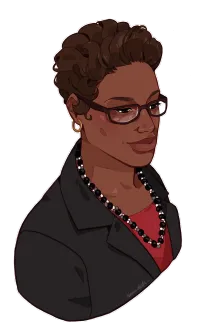
By Atty. Christie — Former DCF Worker, Now DCF Defense Attorney
When a DCF worker shows up at your door, most parents focus on one thing:
“Are they going to take my child?”
But from my experience—first working inside DCF, and now defending families—I can tell you:
That’s not the first thing they’re looking for.
They’re observing your home, your environment, and your child’s safety in ways most parents don’t realize.
And sometimes, it’s the small details that raise the biggest red flags.
It’s Not Just What You Say—It’s What They See
During a home visit, a DCF worker is trained to assess risk quickly and quietly.
They’re not just listening to your answers.
They’re scanning your environment.
They’re asking themselves:
Is this child safe here?
Are there hidden risks?
Is this a stable, supervised environment?
And importantly—risk doesn’t have to come directly from you.
Hidden Red Flag #1: Signs of Substance Access (Even If It’s Not Yours)
Let’s talk about something many parents don’t expect.
Having alcohol in your home is not illegal.
Having guests who drink is not illegal.
But access matters.
For example:
A mini bar within a child’s reach
Open containers left out
Prescription medications sitting on counters
Marijuana or substances not properly secured
Even if you’re not using anything improperly, a DCF worker may see:
👉 “A child could access this.”
And that alone can raise concerns about supervision and safety.
Hidden Red Flag #2: A Home That Feels Unsafe or Chaotic
Your home does not have to be perfect.
But there’s a difference between lived-in and potentially dangerous.
DCF workers are trained to look for:
Clutter blocking walkways
Sharp objects within reach
Unstable furniture
Trash or spoiled food
General disorganization that suggests lack of supervision
Why?
Because chaos can signal:
Overwhelm
Neglect
Or a home environment where a child could get hurt
Even if that’s not your reality, that’s how it can be interpreted.
Hidden Red Flag #3: Supervision Concerns
Sometimes the issue isn’t what’s in the home—it’s what’s happening in real time.
Examples:
Young children roaming unsupervised
Dangerous items accessible during the visit
Caregivers who appear distracted, impaired, or overwhelmed
DCF workers are asking:
👉 “Is this child being actively protected right now?”
Here’s the Truth Most People Don’t Know
DCF doesn’t need to prove you’re a bad parent.
They only need to identify risk.
And risk can come from:
The environment
Other people in the home
Or preventable safety issues
That’s why so many families feel blindsided.
What You Can Do to Protect Your Family
From someone who has seen both sides:
Keep alcohol, medications, and substances secured and out of reach
Make sure your home is safe—not perfect, but functional and hazard-free
Be mindful of who is in your home and what they bring with them
Stay present and engaged during any visit
Small changes can make a big difference in how your home is perceived.
Final Thought
Most parents don’t realize they’re being evaluated the moment the door opens.
Not just for what they’ve done—but for what could happen.
Understanding what DCF workers look for isn’t about fear.
It’s about being prepared.
Need Guidance?
If DCF is involved in your life, the right legal strategy starts with understanding how they think.
At The Christie Law Firm, we use that insider perspective to help protect families—because we’ve seen both sides of the system.
📞 Reach out to us at 860 461 7494 if you need guidance navigating a DCF case

Ph: 860.461.7494
Fax: 860-461-7003
All information displayed on the The Christie Law Firm website is informational and shall not be deemed as legal advice.
If you’re currently dealing with an individual legal situation, you’re invited to contact us through email, phone, or form.
Until an attorney-client relationship has been established, we urge that you avoid sharing any confidential information.
© 2023 The Christie Law Firm, LLC All rights reserved
Family Focused & Child Centered™️


Illustrations by: Kuresse Bolds
Website Powered by Shaggy Digital