
Family Focused & Child Centered™️
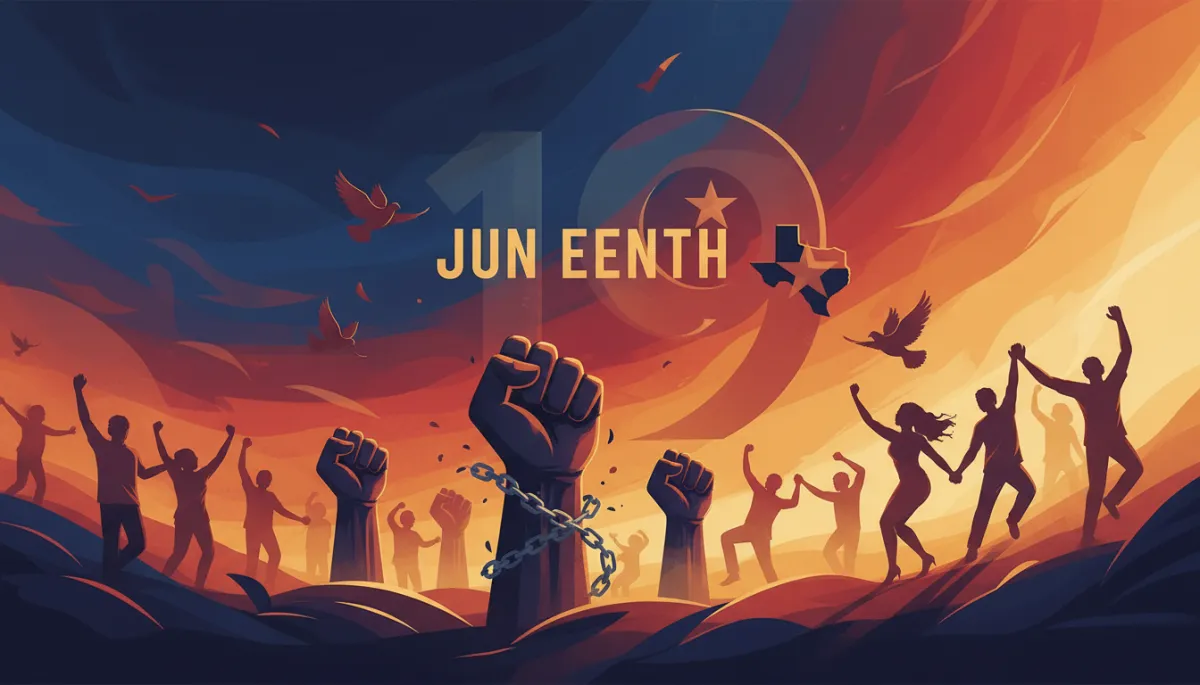
Juneteenth: Celebrating Freedom and Community
Culture, Juneteenth, Freedom, History, Community
Juneteenth: A Living Celebration of Freedom, Resilience, and Community
Juneteenth is more than a date on the calendar. It is a living celebration of freedom, a remembrance of struggle, and a call to keep moving toward justice. Whether you grew up honoring Juneteenth or are just learning about it now, understanding its story helps us see how history, community, and hope are deeply connected.
More Than a Date: The Deeper Significance of Juneteenth
Juneteenth, observed on June 19, is often described simply as the day enslaved people in Texas learned they were free. But its significance goes much deeper than a single moment in time. Juneteenth is a reminder that freedom is a process—not just a proclamation. It honors the resilience of Black Americans who endured slavery, demanded recognition of their humanity, and built communities in the face of violence and systemic injustice.
To treat Juneteenth as only a historic anniversary would be to miss its power. It is a day for gathering, storytelling, grieving what was lost, and celebrating what has been reclaimed. It invites everyone—Black, white, and otherwise—to reflect on how far we have come and how far we still need to go in the ongoing work of freedom and equality.
A Brief History: When Freedom Finally Reached Texas
The roots of Juneteenth go back to the end of the Civil War. President Abraham Lincoln issued the Emancipation Proclamation on January 1, 1863, declaring that enslaved people in Confederate states were free. But this proclamation did not instantly transform life on the ground. In many places in the South, including Texas, enslavers ignored or hid the news, and federal troops were not yet present to enforce it.
It was not until June 19, 1865—more than two years later—that Union General Gordon Granger arrived in Galveston, Texas, with federal soldiers and issued General Order No. 3. This order announced that all enslaved people in Texas were free and that there would be “an absolute equality of personal rights and rights of property between former masters and slaves.” For the approximately 250,000 enslaved people in Texas, this was the first time they officially heard that they were no longer legally bound in slavery.
The newly freed men, women, and children responded with a mix of celebration, disbelief, and determination. Some left plantations immediately, walking away from fields and houses that had defined their lives. Others stayed temporarily to secure wages or reunite with family. The following year, in 1866, Black Texans began gathering annually on June 19 to mark this moment of delayed but hard-won freedom. These early celebrations, often called “Jubilee Day,” laid the foundation for what we now know as Juneteenth.
Why Juneteenth Matters Today
In 2021, Juneteenth became a federal holiday in the United States, but its importance long predates national recognition. Today, Juneteenth matters because it helps us confront a simple but uncomfortable truth: freedom in America has never arrived all at once, or for everyone at the same time. It has been staggered, delayed, resisted, and unevenly enforced. Juneteenth forces us to remember that even after the law changed, people had to fight to have that freedom honored in real life.
At the same time, Juneteenth is not only about pain or injustice. It is also about joy, creativity, and progress. For generations, Black communities have used Juneteenth to showcase achievements in business, education, art, and civic life. Parades, cookouts, concerts, and church services all serve as reminders that despite centuries of oppression and ongoing inequities, Black culture and community continue to thrive and lead.
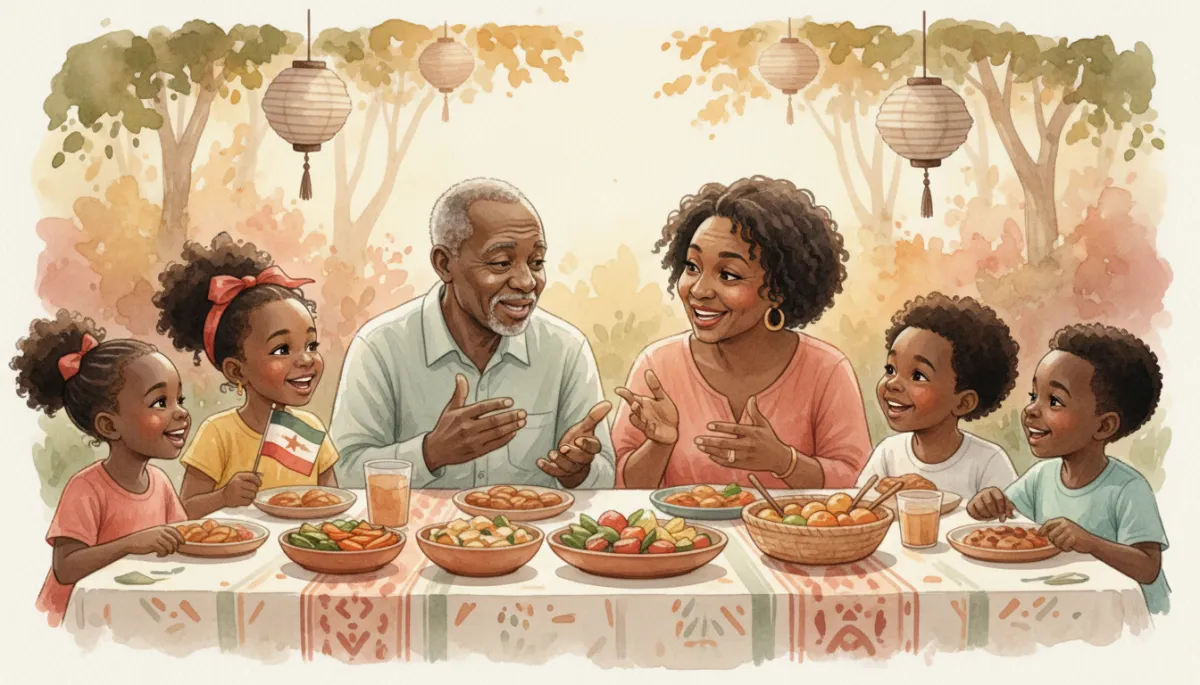
Storytelling across generations keeps Juneteenth alive as a shared memory and mission.
Celebrating Freedom and Recognizing Progress
At its heart, Juneteenth is a celebration of freedom—freedom from legal slavery, and the ongoing struggle for freedom from discrimination, fear, and exclusion. Celebrating Juneteenth means honoring the courage of ancestors who endured the unimaginable and still imagined a better future. It also means recognizing the progress that has been made through generations of organizing, activism, and everyday acts of resistance and care.
Progress can be seen in the dismantling of segregation laws, the expansion of voting rights, and the rise of Black leaders in every field—from politics and science to art and entrepreneurship. Yet Juneteenth invites us to celebrate this progress without pretending that the work is finished. Police violence, racial wealth gaps, health disparities, and inequities in education and housing all show that freedom is still, in many ways, a promise waiting to be fully kept.
Justice and Community: How They Are Connected
Juneteenth also highlights the deep connection between justice and community. The first Juneteenth celebrations were not solitary observances; they were gatherings in fields, church yards, and public spaces where people came together to pray, sing, eat, and plan. Freedom was understood as something to be shared—not just experienced individually. That spirit continues today in community-led events, mutual aid efforts, and local organizing that center collective well-being over individual gain.
Justice is not only about changing laws; it is about transforming relationships, institutions, and everyday choices. When neighbors gather for Juneteenth, they are building the kind of community that makes justice possible: one where stories are heard, differences are acknowledged, and everyone’s dignity is affirmed. In this way, Juneteenth becomes a yearly reminder that the struggle for justice is strongest when it is rooted in connection and care.
Meaningful Ways to Observe Juneteenth
Whether Juneteenth is new to you or a long-standing tradition, there are many ways to honor the day in ways that are both joyful and thoughtful. Here are a few meaningful practices to consider:
Attend local events. Look for Juneteenth celebrations in your city or neighborhood—parades, festivals, concerts, panel discussions, or museum programs. Showing up in person is a powerful way to learn, support, and stand in solidarity. Listen to speakers, visit vendor booths, and take in performances that highlight Black history and culture.
Support Black-owned businesses. Economic freedom is a vital part of justice. Use Juneteenth as an opportunity to intentionally support Black entrepreneurs, artists, and creators—whether by dining at a Black-owned restaurant, shopping at local boutiques, commissioning art, or purchasing books by Black authors. Consider making this not just a one-day choice but a regular habit.
Engage in conversations about equity. Juneteenth is a natural moment to talk with family, friends, coworkers, and children about race, history, and fairness. These conversations do not have to be perfect to be meaningful. Ask questions, share what you are learning, and be willing to listen. Discuss what equity looks like in schools, workplaces, and neighborhoods—and what concrete steps you can take to move closer to it.
Learn the history in more depth. Read books, watch documentaries, or visit exhibits that explore slavery, Reconstruction, Jim Crow, and the long civil rights movement. Understanding the full context of Juneteenth can deepen your appreciation for the day and sharpen your awareness of present-day issues.
Give and volunteer. Consider donating to organizations that advance racial justice, support Black youth, or provide legal aid and community resources. Volunteering your time—whether mentoring, tutoring, or helping at events—can also be a powerful way to honor the spirit of Juneteenth.
💡 Pro Tip: Treat Juneteenth as both a celebration and a checkpoint—ask yourself each year how you’ve grown in understanding, solidarity, and action.
The Ongoing Journey Toward Justice
Juneteenth does not mark the end of the story. It marks a turning point—a moment when freedom became possible in a new way, but not guaranteed. The journey toward justice is ongoing, shaped by court decisions and policy changes, but also by everyday choices: how we vote, where we spend money, what we teach our children, and how we respond when we witness injustice.
Reflecting on Juneteenth means asking hard questions: Who is still waiting for freedom to fully reach them? Whose voices are still unheard? What barriers—visible and invisible—continue to limit opportunity and safety for Black communities and other marginalized groups? These reflections are not meant to paralyze us with guilt, but to move us toward responsibility and compassion.
Your Role: A Call to Action for Positive Change
You do not need to be a historian, an elected official, or a full-time activist to honor Juneteenth in a meaningful way. You simply need a willingness to learn, to act, and to stand with others. Start where you are. Commit to one concrete step you can take this year:
Have an honest conversation about race and history with someone in your life.
Choose a Black-owned business to support regularly, not just on Juneteenth.
Learn about local policies that affect housing, education, or policing and add your voice to efforts for fair change.
Share resources—books, articles, events—that help others understand the meaning of Juneteenth and the broader history of Black freedom struggles.
When we each take responsibility for our part, small actions add up. The spirit of Juneteenth lives not only in public celebrations but in quiet, consistent efforts to build a more just and compassionate world. Freedom delayed in 1865 is a reminder that justice delayed today is not inevitable; it is something we can confront and change together.
As you observe Juneteenth—whether by joining a festival, sharing a meal, learning a new piece of history, or simply pausing to reflect—remember that you are part of this unfolding story. Honor the past, recognize the progress, and commit to the work that still lies ahead. Freedom is strongest when it is shared, and justice is closest when communities move forward together.


Ph: 860.461.7494
Fax: 860-461-7003
All information displayed on the The Christie Law Firm website is informational and shall not be deemed as legal advice.
If you’re currently dealing with an individual legal situation, you’re invited to contact us through email, phone, or form.
Until an attorney-client relationship has been established, we urge that you avoid sharing any confidential information.
© 2023 The Christie Law Firm, LLC All rights reserved
Family Focused & Child Centered™️


Illustrations by: Kuresse Bolds
Website Powered by Shaggy Digital