
Family Focused & Child Centered™️
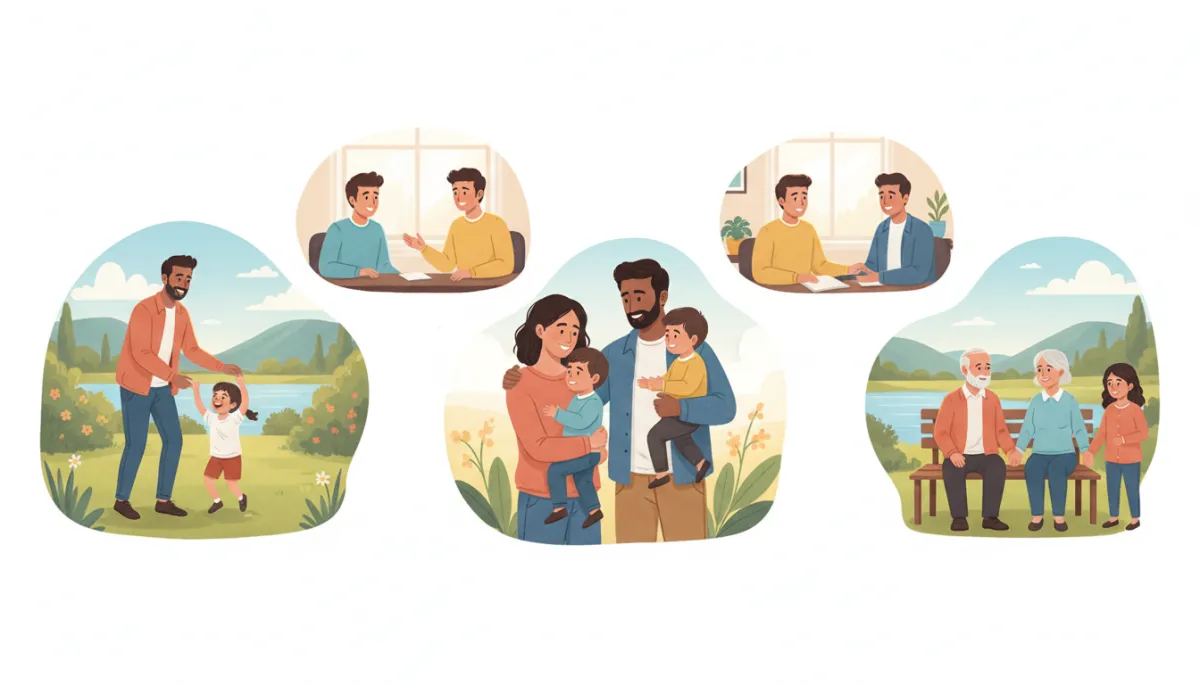
Men's Mental Health: Speak Up, Take Action
Men's Mental Health, Family Law, Emotional Well-Being
Strength Isn't Silence—It's Taking Action
Every June, Men's Mental Health Month shines a light on an issue that is often pushed into the shadows: how men really feel, cope, and carry the weight of their responsibilities. For many men, the pressure to be “the rock” of the family can come with an unspoken rule—stay quiet, handle it alone, and never let anyone see you struggle. But this silence can come at a high cost to their emotional well-being, their children, and the stability of their families.
Men's Mental Health Month: Why It Matters for Men and Families
Men's Mental Health Month is about more than statistics or awareness campaigns. It is a reminder that mental health is just as important as physical health—and that caring for your mind is one of the most powerful ways to care for your family. When we talk about mental health awareness, we are talking about recognizing stress, anxiety, depression, anger, and burnout as real issues that deserve attention and support, not judgment or shame.
For many fathers and father figures, life is a constant balancing act: providing financially, being present for children, supporting a partner, and managing responsibilities at work and at home. When mental health is neglected, this balance can start to crumble. By observing Men’s Mental Health Month, we acknowledge that fathers and mental health are deeply connected to family support, healthy families, and long-term resilience.
Taught to Stay Silent: How Many Men Learn to Hide Their Struggles
From a young age, many boys hear messages like “Man up,” “Don’t cry,” or “Handle it.” These phrases may seem harmless in the moment, but over time they send a clear message: emotions are weaknesses that must be hidden. Instead of learning how to talk about fear, sadness, or worry, many men learn to push those feelings down and keep moving forward, no matter the cost to their emotional well-being.
Imagine a father who has just gone through a job loss, a divorce, or a major life change. On the outside, he may appear calm and composed. On the inside, he may feel overwhelmed, ashamed, or afraid of the future. Yet he might tell himself, “I can’t let anyone see me like this. I have to be strong.” Without a safe space to talk, he may carry this weight alone, even when it becomes too heavy to hold.
Over time, this silence can show up in other ways—irritability, withdrawing from loved ones, difficulty sleeping, or relying on unhealthy habits to cope. None of these signs mean a man is weak. They mean he is human. But when silence is the only option he feels he has, it can prevent him from getting the family support and professional help that could truly make a difference.
The Stigma Surrounding Men's Mental Health
One of the biggest barriers to men's mental health is stigma—the fear of being judged, misunderstood, or seen as “less than” for struggling. Many men worry that admitting they are having a hard time will change how their partner, children, or community view them. They may fear being labeled as unstable, unreliable, or weak, especially if they are in the middle of a family conflict or legal situation such as a separation or custody dispute.
This stigma can be especially strong in communities where men are expected to be the primary providers or decision-makers. In these settings, asking for help can feel risky, even when it is desperately needed. Yet the truth is that mental health challenges are common and very human. Feeling anxious about finances, overwhelmed by parenting, or heartbroken after a relationship ends does not make a man a failure. It makes him someone who is going through a difficult season and deserves care.
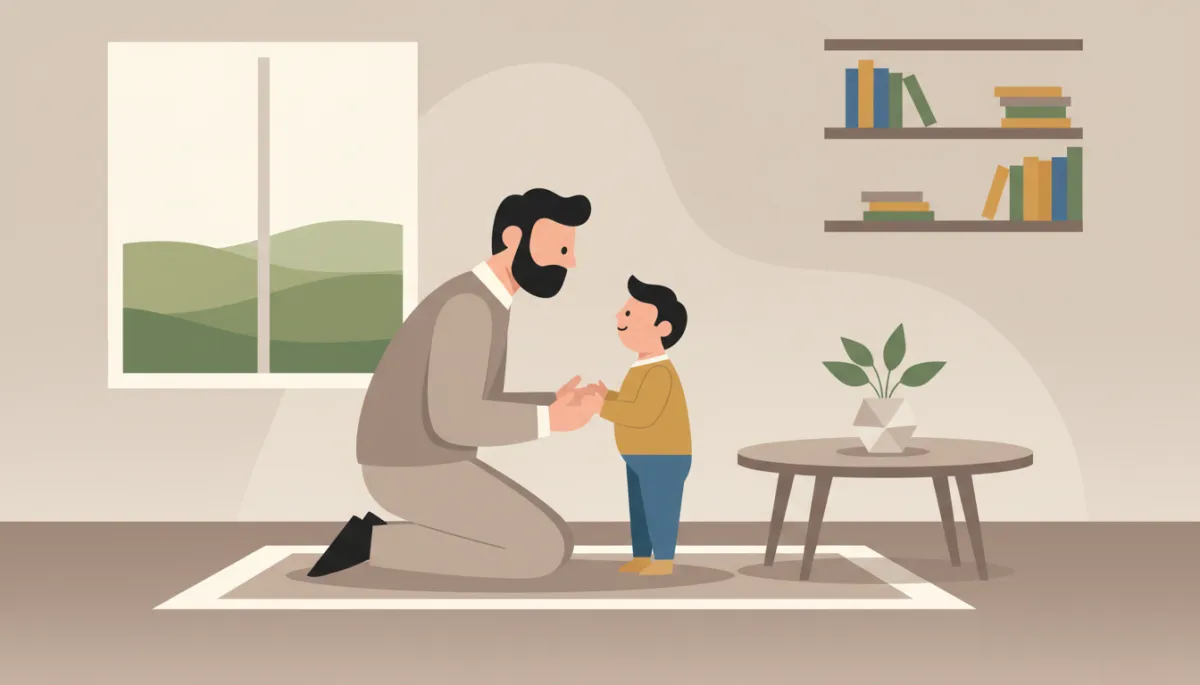
When fathers care for their mental health, children feel safer, seen, and supported.
Why Asking for Help Is a Powerful Sign of Strength
Redefining Strength for Men and Fathers
Real strength is not about never struggling. It is about what you do when you are struggling. Choosing to speak up, reach out, or sit with a trusted friend, counselor, or faith leader and say, “I am not okay, and I need support,” is an act of courage. It means you care enough about yourself and your family to face difficult feelings instead of hiding from them.
For fathers and mental health, this shift in thinking is especially important. Children learn from what they see. When a child sees their father bottle everything up, they may learn to do the same. But when a child sees their father talk openly, ask questions, or seek help when life is hard, they learn that it is safe to be honest and that resilience includes asking for support. That is a powerful gift to pass on to the next generation.
Taking Action Protects You and Your Family
When life feels overwhelming, it can be tempting to shut down or hope the problems fade on their own. But whether you are facing stress at work, conflict at home, or a major transition like separation or divorce, ignoring your mental health rarely makes things better. Taking action—by talking to a professional, joining a support group, or even having an honest conversation with a loved one—can help you think more clearly, make better decisions, and protect what matters most to you: your children, your relationships, and your future.
📌 Key Takeaway: Strength is not staying silent. Strength is recognizing when you need help and choosing to reach for it—for your sake and for your family’s.
How Men's Mental Health Affects Relationships, Parenting, and Family Stability
Relationships and Communication at Home
Mental health does not exist in isolation. When a man is overwhelmed, anxious, or depressed, it often shows up in his relationships. He may feel easily irritated, emotionally distant, or unable to fully engage with his partner. Misunderstandings can grow, and small disagreements can quickly turn into bigger conflicts. Over time, this can damage trust and connection in the home, especially if both partners are under stress or navigating major changes such as separation, co-parenting, or blended families.
By caring for men's mental health, couples can improve communication, reduce unnecessary conflict, and create a more peaceful environment for everyone. When a man has tools to manage his emotions and a safe place to talk about what he is going through, he is better able to listen, respond calmly, and work through challenges with his partner rather than against them.
Fathers, Children, and Emotional Safety
Children are highly sensitive to the emotional climate in their home. They may not have the words to describe it, but they often notice when a parent seems distant, angry, or overwhelmed. When a father is struggling internally, he may unintentionally pull away from his children or respond more harshly than he intends. This can leave children feeling confused or even responsible for the tension they sense around them.
On the other hand, when fathers take steps to support their mental health, it strengthens healthy families. A father who feels more balanced and supported is better able to be patient, playful, and present. He can show up for school events, bedtime routines, and tough conversations in ways that help his children feel secure. In this way, fathers and mental health are directly tied to a child’s sense of safety and stability, especially during stressful times such as family transitions or legal disputes.
Family Stability and Long-Term Resilience
Stable families are not families without problems. They are families that learn how to face challenges together. When men feel supported in their mental health, they are more likely to stay engaged in problem-solving, co-parenting, and building a peaceful home environment. This kind of emotional presence can make a real difference in how a family weathers financial stress, relationship changes, or parenting difficulties.
By investing in emotional well-being, families build resilience—the ability to recover from hardship and move forward with hope. That resilience can carry children into adulthood, teaching them that while life is not always easy, there are healthy ways to cope, heal, and grow.
Practical Ways Men Can Prioritize Their Mental Well-Being
Start with Honest Self-Check-Ins
You do not need special training to begin caring for your mental health. One simple step is to regularly ask yourself a few questions:
How am I really feeling today—physically, mentally, and emotionally?
What has been weighing on me lately?
Have I been more irritable, withdrawn, or exhausted than usual?
Simply naming what you are feeling is a powerful first step. It turns vague stress into something you can begin to understand and address. This kind of self-awareness is a key part of mental health awareness and can guide you toward the next right step, whether that is rest, a conversation, or professional support.
Build Supportive Connections
Men do not have to walk this road alone. Think about one or two people you trust—a friend, sibling, mentor, or faith leader—who would listen without judgment. Reaching out could be as simple as saying, “I have been going through a lot lately. Can we talk?” Even brief, honest conversations can relieve pressure and remind you that you are not alone in what you are facing.
For some men, joining a group—such as a fathers’ group, support group, or community program—can also be helpful. Hearing other men share similar experiences can break the sense of isolation and reduce the stigma around men's mental health. These spaces can become sources of family support and practical wisdom for navigating parenting, relationships, and life transitions.
Consider Professional Support as a Tool, Not a Last Resort
Talking with a counselor, therapist, or other mental health professional is not a sign that something is “wrong” with you. It is a practical tool—like seeing a doctor for a physical concern or a mechanic for your car. A professional can help you sort through complex emotions, learn healthy ways to cope, and create a plan that supports both you and your family. This is especially valuable during stressful seasons, such as a separation, co-parenting conflict, or major life change.
💡 Pro Tip: You do not have to wait until you are in crisis. Seeking help early can prevent small concerns from becoming larger problems that affect your family and future.
Everyday Habits That Support Emotional Well-Being
While professional help is important, everyday choices also play a big role in emotional well-being. Small, consistent habits can make it easier to handle stress and stay grounded, even when life feels unpredictable. Consider:
Getting regular sleep and creating a wind-down routine at night
Moving your body—through walking, stretching, or exercise you enjoy
Limiting alcohol or substances that can make mood swings worse
Setting aside even 10–15 minutes a day for something that brings you peace—reading, prayer, journaling, or quiet time
Creating simple, consistent routines with your children that build connection, like shared meals or bedtime conversations
These actions may seem small, but they support your body and mind, helping you show up more fully for yourself and your family. Over time, they build the foundation for lasting resilience.
Strength Isn't Silence—It's Taking Action for Yourself and Your Family
During Men's Mental Health Month, and throughout the year, it is important to remember that you are not alone in what you are facing. Many men feel pressure to carry everything without complaint, especially when children, finances, or legal matters are involved. But staying silent does not protect your family; taking action does. Speaking up, seeking guidance, and caring for your mental health are powerful ways to protect your children, strengthen your relationships, and build a more stable future.
At The Christie Law Firm, we understand that behind every case is a real person and a real family. Legal challenges—especially those involving children and family relationships—can be emotionally draining. We encourage men to view mental health awareness as part of their overall strategy for protecting their rights, their relationships, and their long-term well-being. When you are supported emotionally, you are better equipped to make thoughtful decisions, communicate clearly, and advocate for what is best for your children and yourself.
Call to Action: Prioritize Your Well-Being and Reach for Support
If you are a father, partner, or man who has been trying to carry everything alone, let this be your reminder: you do not have to. Your feelings matter. Your story matters. Your mental health matters—for you and for the people who love you. Taking even one step today toward support is a meaningful act of strength.
Reach out to someone you trust and share honestly how you have been feeling.
Explore local or online resources that focus on men's mental health and family support.
If family conflict or legal issues are adding to your stress, consider speaking with a professional who can guide you through your options while encouraging you to care for your emotional well-being.
You are not weak for needing help. You are wise for recognizing that your mental health affects every part of your life—your role as a father, your relationships, and the stability of your home. By taking action, you model courage, honesty, and resilience for your children and those around you.
💬 Encouragement: Strength is not about never needing anyone. Strength is choosing to stand up for your health, your heart, and your family—one step at a time.
If you are navigating family challenges and need guidance, The Christie Law Firm is here to support you. While we focus on the legal aspects of your case, we also encourage you to care for your mental and emotional health along the way. You deserve support—in the courtroom, at home, and within yourself.
Strength is not silence. Strength is taking action. During Men’s Mental Health Month and beyond, choose to prioritize your well-being, ask for help when you need it, and build the healthy, hopeful future you and your family deserve.



Ph: 860.461.7494
Fax: 860-461-7003
All information displayed on the The Christie Law Firm website is informational and shall not be deemed as legal advice.
If you’re currently dealing with an individual legal situation, you’re invited to contact us through email, phone, or form.
Until an attorney-client relationship has been established, we urge that you avoid sharing any confidential information.
© 2023 The Christie Law Firm, LLC All rights reserved
Family Focused & Child Centered™️


Illustrations by: Kuresse Bolds
Website Powered by Shaggy Digital